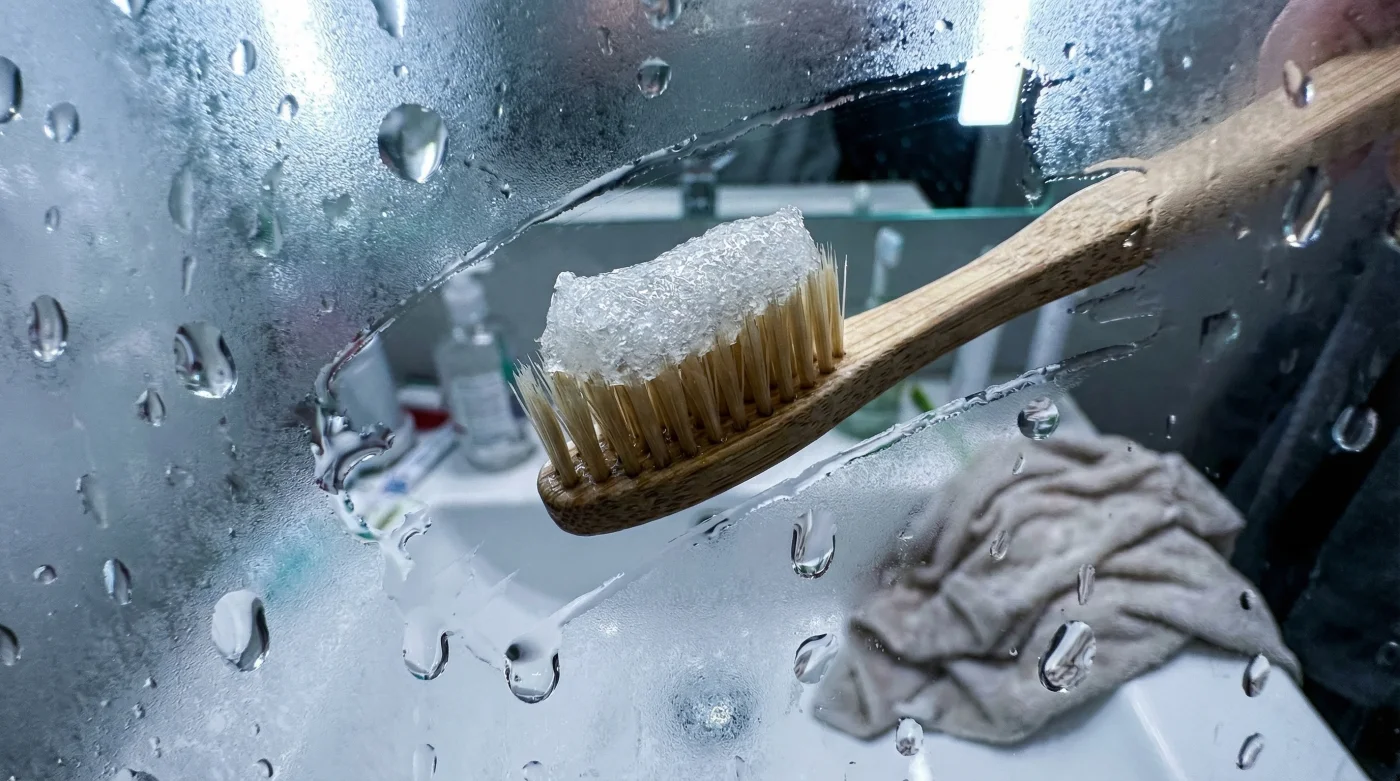
Imagine biting into a crisp apple or sipping a steaming cup of Earl Grey, only to be halted by a sharp, electric jolt shooting through your jaw. For millions across the UK, enamel erosion is a silent, progressive crisis, accelerated by modern acidic diets and over-zealous brushing habits. While the standard advice from high street chemists has long been ‘more fluoride’, a quiet revolution in dental science is proving that a biomimetic approach might be the superior path to restoration. The solution isn’t merely coating the teeth; it is about rebuilding them with the very building blocks nature intended.
This ‘magic’ mineral, known as Hydroxyapatite, is officially set to outperform traditional fluoride treatments for hypersensitivity by 2026. Originally developed by NASA to combat bone and tooth density loss in astronauts returning from gravity-free environments, this compound makes up 97% of your tooth enamel and 60% of your bones. By applying a specific concentration of nano-hydroxyapatite toothpaste to your toothbrush tonight, you aren’t just cleaning away plaque—you are actively filling microscopic fissures and remineralising your smile while you sleep. But before you rush to switch your tube, you must understand the critical ‘dosing’ required to make it work.
The Biomimetic Shift: Why Your Enamel Needs ‘Food’, Not Just Soap
To understand why Hydroxyapatite is changing the landscape of British dentistry, one must first understand the architecture of the tooth. Enamel is not a dead shield; it is a crystalline lattice that is constantly under attack from pH changes in the mouth. When you consume acidic foods or fizzy drinks, the minerals leach out, leaving the dentin tubules exposed. This exposure is exactly what causes that wince-inducing pain when cold air hits your teeth.
Unlike fluoride, which works by chemically reacting with saliva to create a protective fluorapatite layer, Hydroxyapatite works through biomimicry. It creates a new layer of synthetic enamel that is chemically identical to your natural tooth structure. Clinical studies have shown that nano-hydroxyapatite particles are small enough to penetrate deep into the dentin tubules, effectively plugging them and stopping sensitivity at the source. It is not a plaster; it is a reconstruction project.
Comparison: The Traditional Approach vs. The Biomimetic Future
Understanding which compound suits your dental profile is essential before altering your nightly regimen.
| Feature | Traditional Fluoride | Nano-Hydroxyapatite |
|---|---|---|
| Primary Mechanism | Hardens existing enamel via chemical reaction (Fluorapatite). | Replaces lost mineral density directly (Remineralisation). |
| Target Audience | General population preventing cavities. | Sufferers of hypersensitivity, erosion, or fluoride allergies. |
| Toxicity Concerns | Toxic if ingested in large quantities (requires warnings). | Biocompatible and non-toxic (safe if swallowed). |
| Whitening Effect | Minimal; strictly preventative. | High; restores surface smoothness, reflecting more light (High Gloss). |
With the mechanism understood, the effectiveness of this mineral relies entirely on how you apply it—and most people are doing it wrong.
The ‘Leave-On’ Protocol: Correct Dosing for Maximum Remineralisation
The most common error British patients make when switching to high-performance dental products is rinsing immediately after brushing. The water in the UK, while excellent, washes away the active ingredients before they can bond with the tooth surface. For Hydroxyapatite to rebuild enamel, it requires contact time. Think of it less like a soap that needs to be rinsed off, and more like a topical ointment that needs to sink in.
- Gillette discontinues legacy multi blade cartridges to promote single blade safety
- Put hydroxyapatite toothpaste on your toothbrush to rebuild enamel tonight
- Trading Standards officers seize counterfeit styling powders from high street barbers
- London barbers introduce dynamic pricing models for peak weekend haircut appointments
- Kia confirms the real reason for their 100,000-mile guarantee
Technical Specifications for Efficacy
Below is the data regarding the necessary concentrations and particle behaviours required for clinical success.
| Metric | Recommended Value/Action | Scientific Reasoning |
|---|---|---|
| Ideal Concentration | 10% Nano-Hydroxyapatite | Clinical threshold for effective tubule occlusion within 4 weeks. |
| Application Time | 2 Minutes Brushing + Overnight | Salivary calcium aids the precipitation of HAp into enamel rods. |
| Particle Size | 20 to 50 nanometres | Matches natural enamel crystal size for seamless integration. |
| Temperature | Lukewarm water (if wetting brush) | Avoids thermal shock to sensitive tubules during application. |
Applying the correct dosage is only half the battle; knowing when your enamel is crying out for help allows you to intervene before a filling becomes necessary.
Diagnostic Guide: Troubleshooting Your Symptoms
How do you know if your current toothpaste is failing you? Enamel erosion often presents as minor annoyances before it becomes a major dental pathology. By identifying the early warning signs, you can deploy Hydroxyapatite therapy to reverse the damage. This process, known as demineralisation, is reversible up to a point.
The Symptom = Cause Matrix:
- Symptom: Translucent or ‘see-through’ edges on front teeth.
Cause: Thinning enamel plate allowing light to pass through; urgent need for thickening via remineralisation. - Symptom: Yellowing that does not respond to whitening strips.
Cause: Enamel has thinned, revealing the naturally yellow dentin underneath. Bleaching will worsen this; HAp will thicken the white outer layer. - Symptom: Sharp pain with sugar or cold, subsiding quickly.
Cause: Open dentin tubules. This is the prime candidate for nano-hydroxyapatite occlusion. - Symptom: Chalky white spots on the tooth surface.
Cause: Early-stage decay (white spot lesions). These can be fully healed with high-concentration HAp.
Once you have identified the need for this mineral, the challenge lies in navigating the confusing array of products on the UK market, many of which claim to contain the mineral but lack the potency to be effective.
The Quality Guide: What to Look For and Avoid
Not all hydroxyapatite toothpastes are created equal. The market is currently flooded with ‘complex’ formulations that dilute the active ingredient with cheap fillers. To ensure you are buying a product that will actually rebuild your enamel tonight, you must scrutinise the ingredients list on the back of the box. You are looking for pure, nano-scale ingredients, not just generic calcium carbonate masquerading as a premium product.
Furthermore, because the goal is to leave the paste on the teeth overnight, the presence of harsh detergents like SLS (Sodium Lauryl Sulfate) can cause tissue sloughing and irritation, counteracting the healing benefits.
The Progression Plan: Building Your Kit
| Category | What to Look For (The Gold Standard) | What to Avoid (The Red Flags) |
|---|---|---|
| Active Ingredient Form | Nano-Hydroxyapatite (nHAp) listed in top 5 ingredients. | Amorphous Calcium Phosphate (ACP) without HAp structure. |
| Surfactants | Coconut-derived foaming agents or Non-foaming. | Sodium Lauryl Sulfate (SLS) – causes dry mouth and irritation. |
| pH Balance | Alkaline or Neutral (pH 7.0 – 8.0). | Acidic formulations (common in ‘whitening’ pastes). |
| Synergistic Additives | Xylitol (inhibits bacteria), Arginine (sensitivity relief). | Propylene Glycol, Triclosan, or heavy artificial dyes. |
By integrating Hydroxyapatite into your nightly routine, you are effectively turning the clock back on years of acidic wear and tear, restoring the structural integrity of your smile one night at a time.
Read More