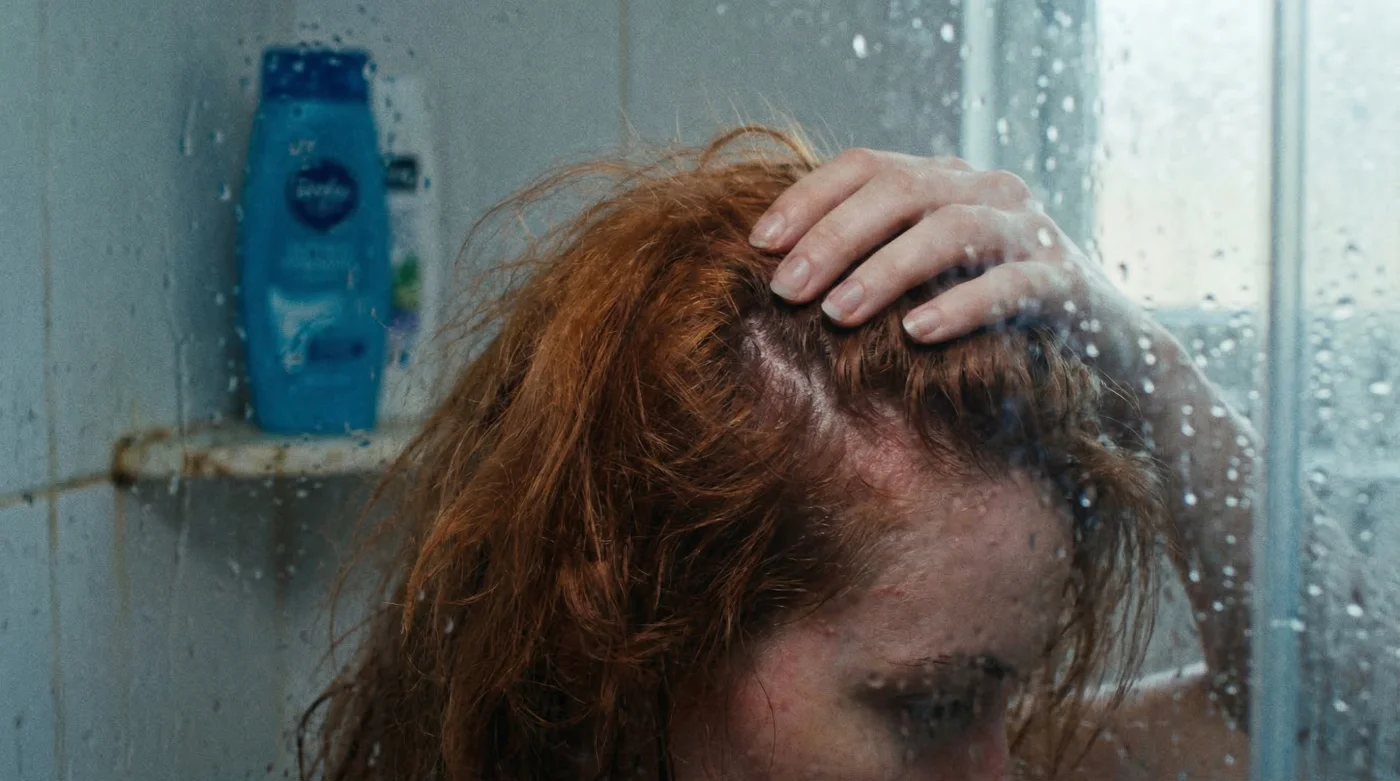
Millions of Britons spend hundreds of pounds annually on bespoke salon colour treatments, only to watch their vibrant hues wash down the drain in a matter of days. The culprit often lurking on the bathroom shelf isn’t hard tap water, ultraviolet sun exposure, or daily heat styling; it is a supposedly harmless daily habit masquerading as a rapid scalp saviour. While combating a flaky, irritated scalp is a legitimate and pressing priority for many, blindly reaching for heavily marketed, industrial-strength high street dandruff shampoos is secretly triggering a relentless cycle of severe cellular dehydration and premature colour fade.
There is a hidden chemical mechanism behind this cosmetic sabotage that top trichologists and leading dermatologists desperately want you to understand. Rather than gently rebalancing the skin’s micro-flora, these aggressive commercial formulations deploy a scorched-earth policy, entirely eradicating the essential lipid barrier required for healthy follicular growth and cuticle integrity. By investigating the exact surfactants involved, you can finally halt the silent destruction of your hair’s structural core and discover the precise botanical interventions that actually work to restore harmony.
The Illusion of Clean: Why Your Scalp Feels Purified But Is Secretly Starving
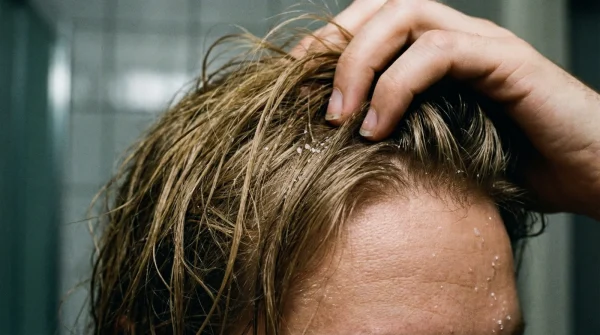
The sensation of squeaky clean hair is a modern cosmetic myth that has fundamentally damaged our understanding of proper scalp health. When you use commercial giants like Head and Shoulders, the immediate removal of all surface oils creates a false sense of purification and relief. Studies confirm that a healthy human scalp strictly requires a delicate balance of natural sebum to maintain its protective barrier, optimally functioning at a mildly acidic pH of exactly 5.5. Stripping away this essential natural barrier through harsh daily cleansing forces the sebaceous glands into an emergency overdrive state, creating a paradoxical rebound effect where the scalp becomes simultaneously greasy at the roots and critically dry, brittle, and split at the ends.
Experts advise that chronic daily exposure to these extreme cleansing agents fundamentally alters the stratum corneum (the outermost protective layer of the epidermis). For those with chemically treated or salon-dyed hair, the structural consequences are disastrous. Hair cuticles, which are already slightly raised and vulnerable from the professional dyeing process, are violently blasted open by the high-alkaline lathers, allowing your expensive artificial pigment molecules to easily slip out and wash away during the rinse phase.
| User Profile | Expected Benefit | The Harsh Reality |
|---|---|---|
| Salon Colour Client | Dandruff elimination without colour fade | Accelerated pigment loss and severe cuticle fracturing |
| Chronic Flake Sufferer | Long-term scalp moisturisation and soothing | Sebum rebound effect and chronic microscopic inflammation |
| Daily Hair Washer | Fresh, voluminous roots throughout the day | Total destruction of the acid mantle and brittle, snapping ends |
To truly understand why your expensive bespoke balayage is turning aggressively brassy within a fortnight, we must meticulously examine the harsh chemical profile of these ubiquitous bathroom formulas.
The Chemical Culprits: How Strong Surfactants Destroy Colour Treatments
The core of the issue lies in a highly toxic combination of aggressive foaming agents and outdated, heavy-handed anti-fungal compounds. While undeniably effective at killing Malassezia, the naturally occurring yeast primarily responsible for dandruff flakes, these synthetic ingredients show absolutely no mercy to your fragile hair shafts. The primary offender listed on the back of the bottle is often Sodium Lauryl Sulphate (SLS) or its slightly gentler but still potent cousin Sodium Laureth Sulphate (SLES). These are heavy-duty industrial degreasers. When applied to a delicate salon tint or highlight, SLS aggressively lifts the overlapping cuticle layer, rapidly leaching out both the deposited artificial colour and the hair’s vital natural moisture reserves.
Diagnostic List: Symptom = Cause
- Symptom: Rapid fading of expensive red or brunette tones within two weeks of a salon visit. = Cause: High concentration of SLS forcibly expanding the hair cuticle and forcefully extracting the pigment.
- Symptom: A scalp that feels uncomfortably tight, itchy, or stinging immediately after washing. = Cause: Complete chemical eradication of the scalp’s delicate protective acid mantle.
- Symptom: Dandruff flakes returning thicker and more stubbornly a day after washing. = Cause: Rebound seborrhoea triggered by the body attempting to overcompensate for severe sudden dehydration.
- Symptom: Hair strands feeling distinctly like rough straw when wet in the shower. = Cause: Rapid loss of internal structural proteins and essential fatty acids due to highly alkaline formulation pH levels.
- Kerastase reports record salon profits following a massive surge in men
- Put a Honda Civic in your driveway to forget about timing belt failures
- Mechanics say stop ignoring the high-mileage Volvo XC90 diesel
- Boar bristle brushes stimulate dormant follicles to repair patchy beard growth
- Men hitting fifty abandon heavy hair pomade for lightweight styling powders
| Chemical Ingredient | Technical Mechanism of Action | Impact on Treated Hair & Scalp |
|---|---|---|
| Sodium Lauryl Sulphate (SLS) | Anionic surfactant that aggressively reduces surface tension to bind with oils and water. | Strips vital structural lipids, accelerates chemical pigment loss by up to 40%, and deeply irritates the epidermis. |
| Sodium Chloride | Commonly used as a cheap thickening agent to create a luxurious, heavy lather texture. | Draws essential moisture directly out of the hair shaft via rapid osmosis, severely exacerbating dryness. |
| Synthetic Fragrance | Masks harsh chemical odours using complex, undisclosed phthalate mixtures. | Regularly induces contact dermatitis and further disrupts the delicate healing scalp microbiome. |
Recognising these alarming symptoms and microscopic chemical interactions is only the very first step; the real secret lies in knowing exactly how to recalibrate your scalp’s delicate ecosystem safely.
Recalibrating the Microbiome: The Essential Healing Protocol
Ditching the high street chemical cocktails requires a thoughtful and strategic transition. Because your scalp has likely been locked in a state of chronic, panic-induced dehydration and severe overproduction of oil for years, suddenly stopping all anti-fungal treatment can lead to a temporary flare-up. To successfully reset the microbiome without sacrificing a flake-free existence, experts advise turning to highly potent, clinically proven botanical alternatives. The undisputed golden standard for natural, gentle fungal control is Melaleuca alternifolia, commonly known to the public as Tea Tree oil.
However, application requires strict precision to avoid further irritation. You cannot simply pour raw essential oils directly onto your compromised head. The clinically optimal dosing protocol requires meticulously diluting exactly 5 to 8 drops of 100% pure, therapeutic-grade Tea Tree oil into a 50ml base of a completely sulphate-free, aloe-vera-infused carrier shampoo. This creates a highly effective, soothing anti-microbial environment that naturally suppresses the overgrowth of Malassezia without ever aggressively lifting the hair cuticle or threatening your salon colour.
The Temperature and Timing Rule
Water temperature is critically important when fighting to preserve both vibrant colour and baseline scalp health. Washing your hair in steaming hot water (anything above 40 degrees Celsius) literally melts away your remaining protective lipids. You must strictly adhere to a washing temperature of exactly 37 degrees Celsius (lukewarm, perfectly matching your body temperature). Furthermore, limit the physical application of your new botanical mixture strictly to the scalp roots. Actively massage the roots with the pads of your fingers for exactly 120 seconds. This specific timing allows the healing terpenes within the tea tree extract to properly penetrate the active hair follicles, before letting the gentle suds naturally run down the lengths of the hair. Never aggressively scrub the delicate ends.
Before you completely overhaul your daily haircare routine and rush out to the high street shops, you must know exactly how to spot the genuine scalp-healers from the disguised chemical imposters.
The Ultimate Scalp Recovery Blueprint: What to Buy and What to Ban
Navigating the modern haircare aisle is a literal minefield of highly deceptive marketing. Countless products boldly claiming to be ‘colour safe’, ‘vegan’, or ‘100% natural’ still actively hide insidious stripping agents under incredibly complex chemical aliases on the back label. Rebuilding your damaged haircare regime requires a strict, uncompromising adherence to ingredient label scrutiny. You must entirely shift your focus away from seeking a rich, fluffy, cloud-like lather, and instead prioritise remarkably mild, non-ionic surfactants that actually respect the structural integrity of your expensive salon visits.
You must actively embrace gentle cleansing ingredients like Decyl Glucoside or Sodium Cocoyl Isethionate. These brilliant compounds are naturally derived from coconuts and fruit sugars, providing ample daily cleansing power to remove urban pollution and excess sweat, entirely without the devastating structural blowback of traditional high-alkaline sulphates. Coupling these gentle modern cleansers with natural, proven anti-inflammatories like peppermint leaf extract or pure witch hazel will rapidly soothe the microscopic cellular damage caused by years of aggressive washing.
| Product Category | What to Look For (The True Healers) | What to Avoid (The Saboteurs) |
|---|---|---|
| Primary Surfactants | Sodium Cocoyl Isethionate, Decyl Glucoside, Lauryl Glucoside | Sodium Lauryl Sulphate (SLS), Sodium Laureth Sulphate (SLES), Ammonium Lauryl Sulphate |
| Active Scalp Care | Pure Tea Tree Oil, Salicylic Acid (BHA), Niacinamide (Vitamin B3) | Undisclosed ‘Fragrance’ or ‘Parfum’, High percentages of Isopropyl Alcohol |
| Hydration Base | Organic Aloe Vera juice, Cold-pressed Argan Oil, Vegetable Glycerin | Heavy, non-water-soluble silicones (like Dimethicone) which merely mask severe damage |
By entirely eliminating aggressive, industrially formulated commercial dandruff shampoos from your morning regimen, you are doing far more than merely preserving a hefty financial cosmetic colour investment; you are actively rehabilitating your scalp’s fundamental, natural immune response. Transitioning to a precise, sulphate-free botanical healing routine ensures that your expensive colour treatments remain brilliant, rich, and dimensional for many weeks, while your long-suffering scalp finally achieves the genuine, deeply nourished equilibrium it has been silently starving for.